
Ceramic Matrix Composites Market Share, Size, Growth, Opportunity and Forecast 2023-2028

2 minutes, 57 seconds Read


The latest report by IMARC Group, titled “Ceramic Matrix Composites Market: Global Industry Trends, Share, Size, Growth, Opportunity and Forecast 2023-2028”. The global ceramic matrix composites market size reached US$ 9.90 Billion in 2022. Looking forward, IMARC Group expects the market to reach US$ 18.25 Billion by 2028, exhibiting a growth rate (CAGR) of 10.23% during 2023-2028.

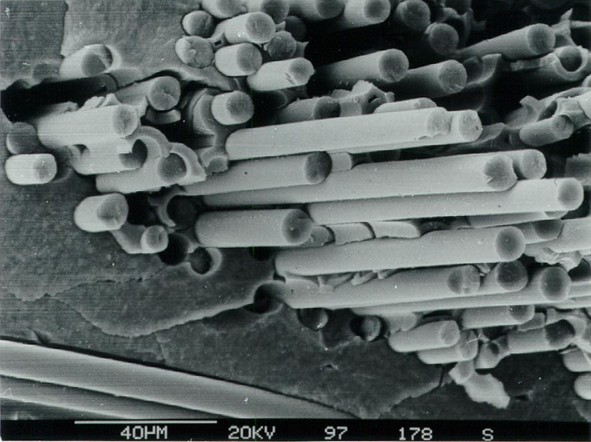
Ceramic matrix composites (CMCs) are engineered materials composed of ceramic fibers embedded within a ceramic matrix, offering a unique combination of high-temperature resistance, strength, and durability. They are known for their ability to withstand extreme temperatures, making them ideal for high-performance applications where traditional materials fall short. As a result, these composites find widespread application in aerospace, automotive, energy, and manufacturing sectors due to their exceptional properties.

Request Your Sample Report Now: https://www.imarcgroup.com/ceramic-matrix-composites-market/requestsample

Ceramic Matrix Composites Market Trends and Drivers:

The global market is experiencing significant growth driven by the aerospace industry’s increasing demand for lightweight, high-strength materials. CMCs are being extensively adopted in aircraft engines and components, reducing weight and improving fuel efficiency. Moreover, the automotive sector is embracing CMCs to enhance vehicle performance and fuel economy. The demand for CMCs in the energy sector is also on the rise, particularly in gas turbines for power generation, where their exceptional heat resistance ensures efficient operation. Another notable trend in the market is the focus on sustainability and eco-friendliness. As environmental concerns continue to grow, there’s a shift toward developing CMCs with reduced environmental impact. Manufacturers are investing in research to produce CMCs with minimal volatile organic compounds (VOCs) and eco-friendly production processes. This aligns with the broader corporate responsibility goals of reducing the environmental footprint. Additionally, CMCs are gaining prominence in defense applications due to their durability and ability to withstand extreme conditions, driving further market growth. 

Report Segmentation:

The report has segmented the market into the following categories:

Composite Type Insights:

  • Silicon Carbide Reinforced Silicon Carbide (SIC/SIC)
  • Carbon Reinforced Carbon (C/C)
  • Oxide-Oxide (Ox/Ox)
  • Others

Fiber Type Insights:

  • Short Fiber
  • Continuous Fiber

Fiber Material Insights:

  • Alumina Fiber
  • Refractory Ceramic Fiber (RCF)
  • SiC Fiber
  • Others

Application Insights:

  • Aerospace and Defense
  • Automotive
  • Energy and Power
  • Electricals and Electronics
  • Others

Market Breakup by Region:

  • North America (United States, Canada)
  • Asia Pacific (China, Japan, India, South Korea, Australia, Indonesia, Others)
  • Europe (Germany, France, United Kingdom, Italy, Spain, Russia, Others)
  • Latin America (Brazil, Mexico, Others)
  • Middle East and Africa

Competitive Landscape with Key Player:

  • 3M Company
  • Applied Thin Films Inc.
  • Axiom Materials Inc.
  • CeramTec GmbH, COI Ceramics Inc.
  • CoorsTek Inc.
  • Lancer Systems LP
  • SGL Carbon SE
  • Specialty Materials Inc. (Global Materials LLC)
  • Starfire Systems Inc.
  • Ultramet,

Explore full report with table of contents: https://www.imarcgroup.com/ceramic-matrix-composites-market

If you need specific information that is not currently within the scope of the report, we will provide it to you as a part of the customization.

About Us

IMARC Group is a leading market research company that offers management strategy and market research worldwide. We partner with clients in all sectors and regions to identify their highest-value opportunities, address their most critical challenges, and transform their businesses.

IMARC’s information products include major market, scientific, economic and technological developments for business leaders in pharmaceutical, industrial, and high technology organizations. Market forecasts and industry analysis for biotechnology, advanced materials, pharmaceuticals, food and beverage, travel and tourism, nanotechnology and novel processing methods are at the top of the company’s expertise.

Contact Us

IMARC Group

Email: [email protected]

USA: +1-631-791-1145 | Asia: +91-120-433-0800

Address: 134 N 4th St. Brooklyn, NY 11249, USA

Follow us on Twitter: @imarcglobal

Similar Posts

In the world of HVAC (Heating, Ventilation, and Air Conditioning), the significance of efficient ductwork cannot be overstated. Two crucial components that play a pivotal role in optimizing ventilation and efficiency are Duct Registers and Duct Chimney Liners. In this comprehensive guest post, we will delve into the importance of these components and how they contribute to enhancing overall HVAC performance. Understanding the Role of Duct Registers and Duct Chimney Liners 1. Duct Registers: Duct Registers are essential components that facilitate the proper distribution of air throughout a building. Positioned at the openings of ducts, these registers allow for the adjustment of airflow, ensuring optimal comfort levels in various spaces. 2. Duct Chimney Liners: Duct Chimney Liners, on the other hand, are critical for maintaining the integrity and efficiency of chimneys in HVAC systems. These liners protect the chimney walls from damage caused by combustion by-products, ensuring safe and efficient ventilation. Enhancing Ventilation with Duct Registers 3. Optimal Airflow Distribution: Duct Registers are strategically placed to regulate the flow of conditioned air. Properly installed and adjusted registers help achieve balanced airflow, preventing hot or cold spots and ensuring consistent comfort throughout the building. 4. Customizable Airflow Control: The design of Duct Registers allows for customizable airflow control. This feature is particularly valuable in larger spaces where different zones may require varying levels of ventilation. 5. Improved Indoor Air Quality: Efficient airflow management with Duct Registers contributes to improved indoor air quality. Consistent and regulated ventilation helps prevent the buildup of pollutants, allergens, and other airborne particles. Ensuring Safety and Efficiency with Duct Chimney Liners 6. Protection Against Corrosion: Duct Chimney Liners act as a protective barrier, preventing the corrosive by-products of combustion from damaging chimney walls. This protection is crucial for maintaining the structural integrity of the chimney and ensuring long-term efficiency. 7. Enhanced Draft Performance: Well-installed Duct Chimney Liners optimize draft performance, promoting efficient removal of combustion gases. This not only contributes to safety but also ensures the proper functioning of heating appliances. 8. Extended Chimney Lifespan: By shielding the chimney from corrosive elements, Duct Chimney Liners extend the lifespan of the chimney. This not only saves on repair and replacement costs but also ensures consistent and reliable ventilation. Your Path to Quality Components When considering Duct Registers and Duct Chimney Liners, choosing the right components is crucial. Here are essential factors to consider when selecting these HVAC components: 9. Material Quality: Opt for Duct Registers and Duct Chimney Liners made from high-quality materials that are resistant to corrosion and can withstand the demands of continuous use. 10. Size and Compatibility: Ensure that the size and design of the components match the specifications of your HVAC system. Proper sizing and compatibility are essential for optimal performance. 11. Professional Installation: Seek professional installation services to guarantee the correct placement and alignment of Duct Registers and Duct Chimney Liners. Professional installation ensures that these components operate at peak efficiency. FAQs – Your Queries Answered Q1: How do Duct Registers improve indoor comfort? A1: Duct Registers regulate airflow, preventing uneven temperature distribution and enhancing overall indoor comfort. Q2: Can I install Duct Chimney Liners myself? A2: While possible, professional installation is recommended to ensure proper alignment and safety compliance. Q3: How often should Duct Registers be cleaned? A3: Regular cleaning, typically once a season, helps maintain optimal airflow and indoor air quality. Q4: Are there different types of Duct Chimney Liners? A4: Yes, there are various types, including stainless steel and aluminum, each offering different levels of durability and corrosion resistance. Q5: Can Duct Registers help with energy efficiency? A5: Yes, by ensuring balanced airflow, Duct Registers contribute to energy efficiency by preventing overworking of HVAC systems. Q6: Are Duct Chimney Liners necessary for gas appliances? A6: Yes, Duct Chimney Liners are crucial for venting by-products of combustion safely, especially for gas appliances. Q7: What factors affect the sizing of Duct Registers? A7: The size of Duct Registers is influenced by the room size, HVAC system capacity, and desired airflow. Q8: Do Duct Chimney Liners require maintenance? A8: While low-maintenance, periodic inspection is recommended to ensure proper functioning and safety. In conclusion, Duct Registers and Duct Chimney Liners are integral components of HVAC systems, contributing to enhanced ventilation, efficiency, and safety. By understanding their roles and selecting quality components, you pave the way for optimal HVAC performance and prolonged system lifespan. Professional installation and regular maintenance further ensure that these components operate at their best.