
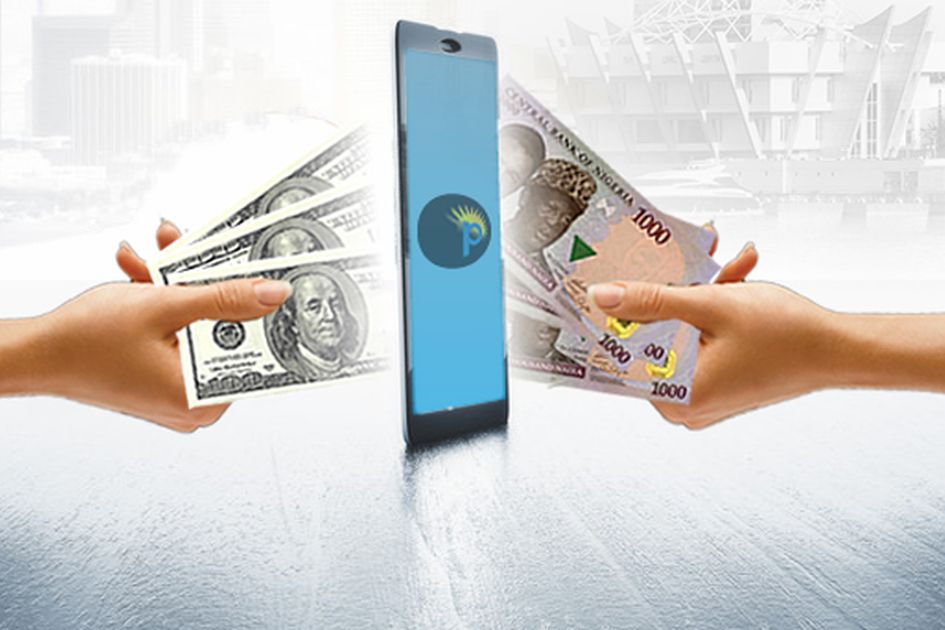

The need for international money transfers is rising in an increasingly globalized world. Whether you’re sending money to family overseas, making international business transactions, or simply managing your assets, understanding the intricacies of International Money Transfer is essential. This step-by-step guide will walk you through the process, helping you make informed decisions and save money.
Choosing the Right Provider
Choosing the right provider for your international money transfer is critical in ensuring a smooth and cost-effective transaction. Here’s a guide on how to select the best money transfer service for your needs:
1. Evaluate Exchange Rates
Start by understanding exchange rates. Exchange rates can vary significantly from one provider to another, and even small differences can impact the amount your recipient receives. Research and compare rates offered by various providers to find the most favorable one.
2. Consider Transfer Fees
Different money transfer services have various fee structures. Some may charge flat fees for each transaction, while others offer fee-free transfers above a certain amount. Ensure you understand the fee structure of your chosen provider and factor this into your decision.
3. Transfer Speed
The speed of your international money transfer can vary. If you need to send funds quickly, consider providers that offer shorter transfer times. Some services can complete transfers within minutes, while others may take several business days. Choose a service that aligns with your urgency.
4. Reputation and Reliability
Research the reputation and reliability of the money transfer provider. Look for reviews, ratings, and customer feedback online. A provider with a strong track record for reliability and security is a safer choice.
5. Transfer Methods
Different providers may offer various transfer methods, such as bank-to-bank transfers, online platforms, mobile apps, or cash pickup. Choose the method that suits your convenience and budget.
6. Coverage and Destinations
Ensure the provider can send money to the specific destination you have in mind. Some providers have a wide global network, while others may have limitations. Verify that your chosen service can facilitate your transfer to the desired location.
7. Security Measures
Verify the security measures employed by the provider. Reputable Money Transfer Services use encryption and stringent security protocols to protect your financial and personal information.
8. Customer Support
Excellent customer support is essential. In case you encounter issues or have questions, you want to be able to reach out to a responsive and knowledgeable support team. Check if the provider offers multiple channels for customer support, such as phone, email, or live chat.
9. Mobile Apps and Online Platforms
If you prefer the convenience of managing your international transfers through a mobile app or online platform, look for providers that offer user-friendly digital interfaces.
10. Reviews and Recommendations
Seek advice from friends, family, or business contacts with international money transfer experience. Personal recommendations can provide valuable insights.
11. Regulatory Compliance
Ensure the provider complies with international money transfer regulations and anti-money laundering (AML) requirements. This is vital for the legality and security of your transaction.
12. Transparent Terms and Conditions
Carefully read the terms and conditions of the provider, including any hidden fees or restrictions. A reputable provider should be transparent about all aspects of your transaction.
A Step-by-Step Guide
Certainly, here’s a step-by-step guide to making international money transfers:
Step 1: Understand Your Needs
Before you begin the process, determine why you must send money internationally. Is it for personal reasons like family support, business transactions, or investment? This will help you choose the right transfer method and provider.
Step 2: Choose a Reliable Money Transfer Service
Select a reputable money transfer service. Look for ones with a track record of secure and efficient international transfers. You can use online review recommendations or consult your bank for suggestions.
Step 3: Compare Exchange Rates
Different providers offer varying exchange rates. Shop around and compare rates to ensure you get the best deal. Remember that even a slight rate difference can impact the final amount received.
Step 4: Check Transfer Fees
Providers may charge various fees for international transfers. These fees include transaction, currency conversion, and service fees. Make sure you understand the fee structure of your chosen provider.
Step 5: Set Up Your Account
Register with the selected provider and create an account. You may need to provide personal information, identification documents, and banking details. Ensure the provider offers robust security measures to protect your data.
Step 6: Input Recipient’s Details
Enter the recipient’s information accurately. This includes their full name, contact details, and bank account information. These details should be addressed to avoid delays or failed transfers.
Step 7: Specify the Transfer Amount
Determine the amount you want to send. Ensure it complies with the provider’s minimum and maximum limits for international transfers.
Step 8: Choose Transfer Method
Providers offer various transfer methods, including bank-to-bank transfers, online platforms, or cash pickup. Select the method that suits your needs and budget.
Step 9: Review Transfer Details
Before confirming the transfer:
- Review all the details.
- Double-check the recipient’s information, the amount, and the exchange rate.
- Make sure you are satisfied with the terms and fees.
Step 10: Initiate the Transfer
Once you are confident that all the details are accurate, initiate the transfer. Some transfers can be completed instantly, while others may take a few business days, depending on the provider and chosen method.
Step 11: Track Your Transfer
Many money transfer services offer tracking options. Use these tools to monitor the progress of your transfer. You’ll receive updates on when the money is sent and when the recipient gets it.
Step 12: Keep Documentation
Retain all documents related to the transfer, including receipts, confirmation emails, and any reference numbers provided. This documentation is essential for resolving any issues that may arise.
Step 13: Contact Customer Support if Needed
If you encounter any problems or have questions about your transfer, don’t hesitate to contact the provider’s customer support. They can assist with inquiries, disputes, or any issues arising during the transfer process.
Conclusion
International money transfer doesn’t have to be a daunting task. With the right knowledge and a reliable provider, you can securely and efficiently send money across borders. By following this step-by-step guide and keeping these FAQs in mind, you’re well on your way to becoming an international money transfer expert.